Bio/Wiki
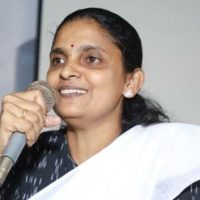
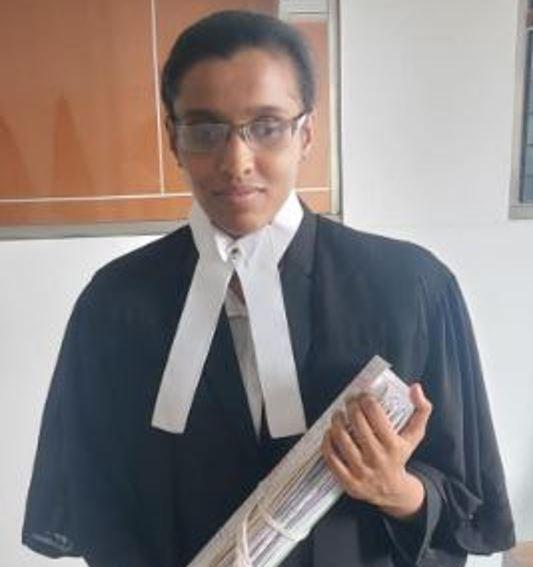
| Full Name | Thanya Nathan C. |
|---|---|
| Famous for | First visually challenged woman judge in Kerala |
Physical Stats & More
| Height | 5' 7" (170 cm) |
|---|---|
| Weight | 50 Kg (110 lbs) |
| Hair Color | Black |
Educational Qualification(s)
| School |
|
|---|---|
| College/University | Kannur University |
| Educational Qualification | Bachelor of Laws (LLB) |
Personal Life
| Religion | Christianity |
|---|---|
| Food Habit | Non-vegetarian |
Relationships & More
| Marital Status | Unmarried |
|---|
Career
| Overview | Thanya Nathan broke barriers as the first visually challenged woman to serve as a judge in Kerala. Beginning her journey in specialized institutions for the visually impaired, she later transitioned to mainstream education and pursued a law degree at Kannur University. She graduated in 2024 with top marks, becoming an advocate shortly afterward. |
|---|---|
| Practices | She undertook her legal practice as a junior advocate, utilizing Braille and assistive technology. Her commitment to the judicial service led her to prepare for the Kerala Judicial Service examination while managing her advocacy work. |
| Judicial Service | A landmark Supreme Court judgment enabled her participation in judicial examinations, affirming that visual impairment should not preclude eligibility. Thanya excelled in the 2025 exam, ranking first among candidates with benchmark disabilities, thus making history as the first visually challenged woman to clear the judicial service examination in Kerala. |
Social Media
| https://www.linkedin.com/in/thanya-nathan-317954359/ |
Some Lesser Known Facts
| Thanya was born blind and lived in Mangad village, studying in specialized schools before moving to mainstream education. | |
| She was the only visually impaired student in her LLB batch and used Braille textbooks and assistive technology to support her studies. | |
| During her practical training, she took notes in Braille and adapted her learning to fit her needs. | |
| With the support of the judicial system, she successfully participated in exams designed to be inclusive for differently-abled candidates. |