Bio/Wiki
| Other Name | Guruji |
|---|---|
| Zodiac sign | Pisces |
| Hometown | Nagpur, Maharashtra |
Physical Stats & More
| Eye Color | Black |
|---|---|
| Hair Color | White and Black |
Educational Qualification(s)
| College/University |
|
|---|---|
| Qualifications |
|
Personal Life
| Religion | Hinduism |
|---|---|
| Hobby | Reading |
Family
| Father | Sadashivrao (Clerk in the Posts and Telegraphs Department) |
|---|---|
| Mother | Lakshmibai Golwalkar |
| Siblings | Eight siblings (only surviving son) |
Career
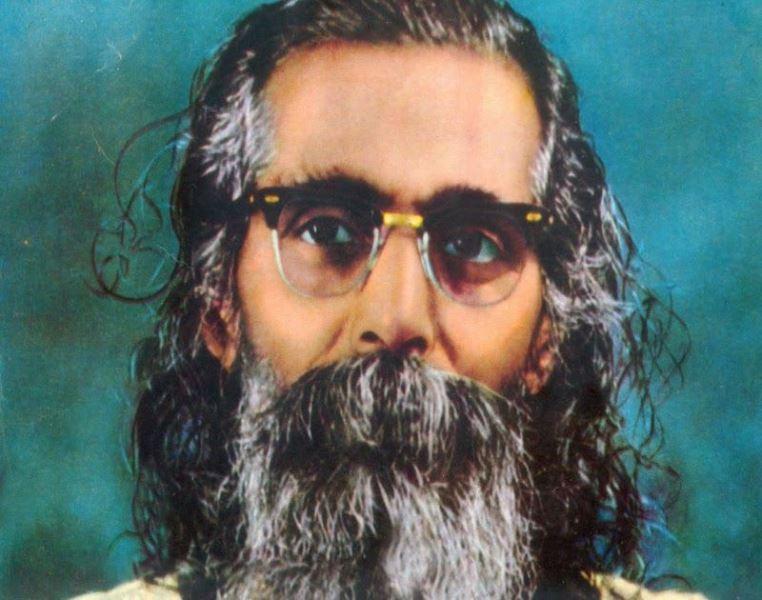
| Overview | M. S. Golwalkar was a prominent figure in the Hindutva movement as the second Sarsanghchalak of the Rashtriya Swayamsevak Sangh (RSS) and played a significant role in shaping its ideologies. His leadership spanned over 30 years during which the RSS expanded its influence in various sectors. |
|---|---|
| Influences | He was inspired by leaders like Madan Mohan Malaviya and his own experiences led him to conceptualize Hindu Rashtra, a term that denotes a cultural nation. |
| Political Activism | Golwalkar became a key political figure after joining RSS and took on various responsibilities, including translating works important to the organization's ethos. |
| Contributions | His books and ideologies, notably 'We, or Our Nationhood Defined', have been crucial in defining the organization’s outlook and approach. His leadership saw RSS’s membership skyrocket from 100,000 to over a million, even extending its reach into politics and social reform. |
Some Lesser Known Facts
| He was raised in Ramtek, Maharashtra and developed a deep interest in religion and spiritual meditation as he matured. | |
| Despite pursuing a prestigious education, his aspirations for a doctorate in Marine Biology were cut short due to family circumstances. | |
| Golwalkar was affectionately referred to as Guruji by his students, a title that reflects his revered status among followers. | |
| His leadership was marked by significant growth and transformation within RSS, including its rebranding after a ban in 1948. | |
| He pioneered the concept of a united Hindu nation, which has left a lasting impact on nationalist ideologies in India. |