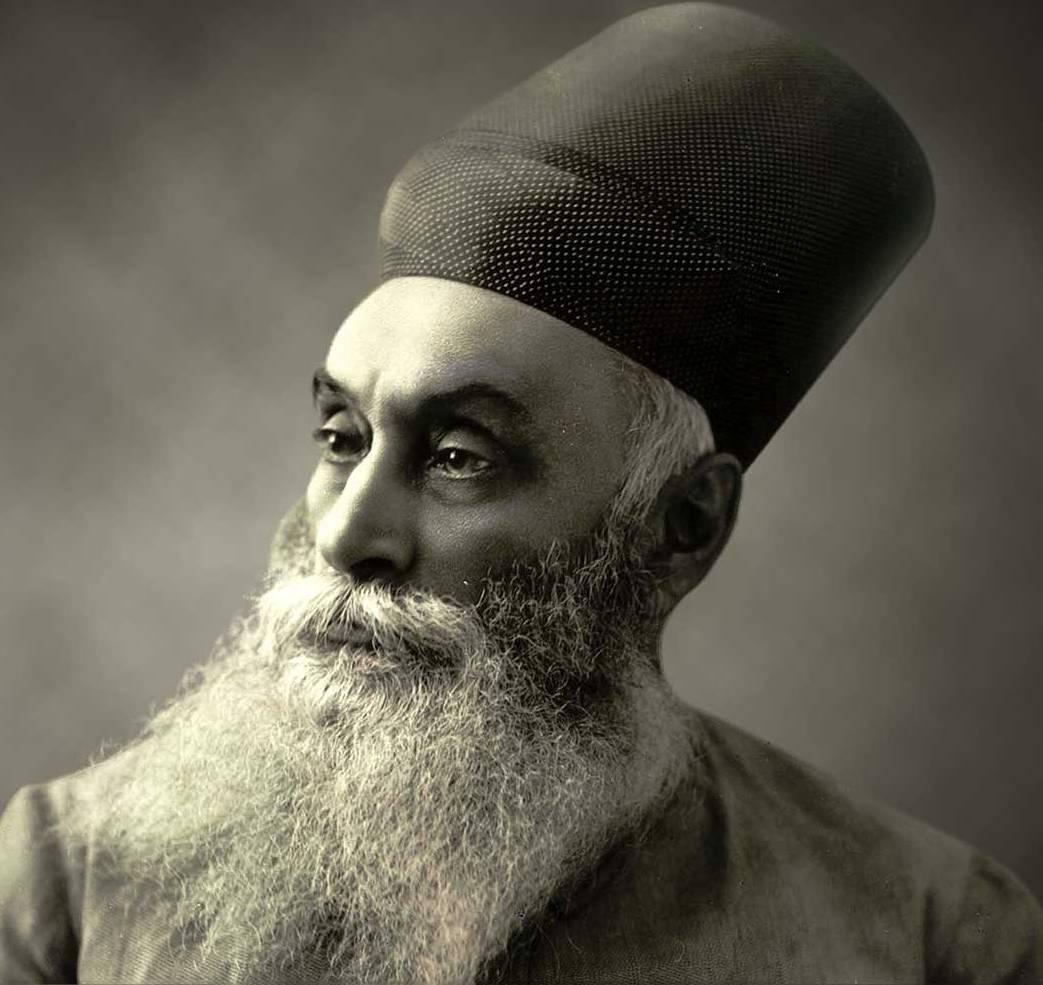
| Jamsetji Nusserwanji Tata was an Indian industrialist who founded the Tata Conglomerate. |
| He was known as the father of Indian Industries and was a patriot, philanthropist, and builder. |
| Jamsetji Tata introduced labor welfare policies and practices in India, starting the first steel project in Jamshedpur. |
| He was recognized as the top philanthropist of the 20th century for his works. |
| Jamsetji Tata showed an early interest in his family's business and joined the export trading business in Bombay in 1858. |
| He got married to Hirabai Daboo at 16 and had two sons, Dorabji Tata and Ratanji Tata. |
| In 1869, he bought an oil mill in South Mumbai and converted it into a profitable cotton trading mill called Alexandra Mills. |
| In 1874, he established Empress Mills in Nagpur which became a successful textile manufacturing unit. |
| Jamsetji Tata fulfilled one of his dreams by building the Taj Mahal Palace Hotel in South Mumbai in 1903. |
| His sons later established Tata Steel in Jamshedpur in 1907, realizing his dream of an iron and steel company. |
| He initiated various welfare programs for his workforce, including free medical aid, ventilated workplaces, and sports events. |
| Jamsetji Tata introduced pension funds, provident schemes, and accident compensation for his employees' welfare. |
| He was a generous philanthropist, donating US $102.4 Billion, higher than many 21st-century philanthropists. |
| Jamsetji Tata passed away in Germany in 1904 at the age of 65 and was buried in England. |
| He installed the first fire sprinklers and supported the development of the bubonic plague vaccine. |
| Jamsetji Tata supported the Swadeshi movement and established Svadeshi Mill in 1886. |
| He founded Tata Steel, contributing to iconic infrastructure projects in India. |
| The first biography of Jamsetji Tata was published in 1915, and the second in 2006. |
| His textile mill is credited with discovering Mysore silk through sericulture experiments. |